
Artificial intelligence startup lawyer
What this page covers
Artificial intelligence startup lawyer
AI startups in the US face legal issues beyond formation and basic contracts, including data use, product compliance, accountability, and auditability.
Femida.us provides practical, business-focused legal support for founders building AI products while governance and compliance expectations continue to evolve.
In brief
- Legal work for an AI startup often combines core startup matters with product issues involving accountability, auditability, and data practices.
- Founders should not assume that a domain name, social handle, or company filing alone protects a brand or eliminates trademark risk.
- Gaps in ownership, contractor arrangements, and company formalities can become harder and more expensive to fix as the business grows.
What to do
An artificial intelligence startup lawyer can help founders handle issues that are easy to delay during early product development. Many teams focus first on building and selling, but postponed legal work can leave open questions about company structure, ownership, contracts, and decision-making.
Common startup risks include mixing personal and business expenses, relying on default state rules instead of clear operating or shareholder agreements, and using contractors in ways that may create classification concerns. These issues are not unique to AI companies, but they can cause problems as a startup adds customers, hires talent, or prepares for investment.
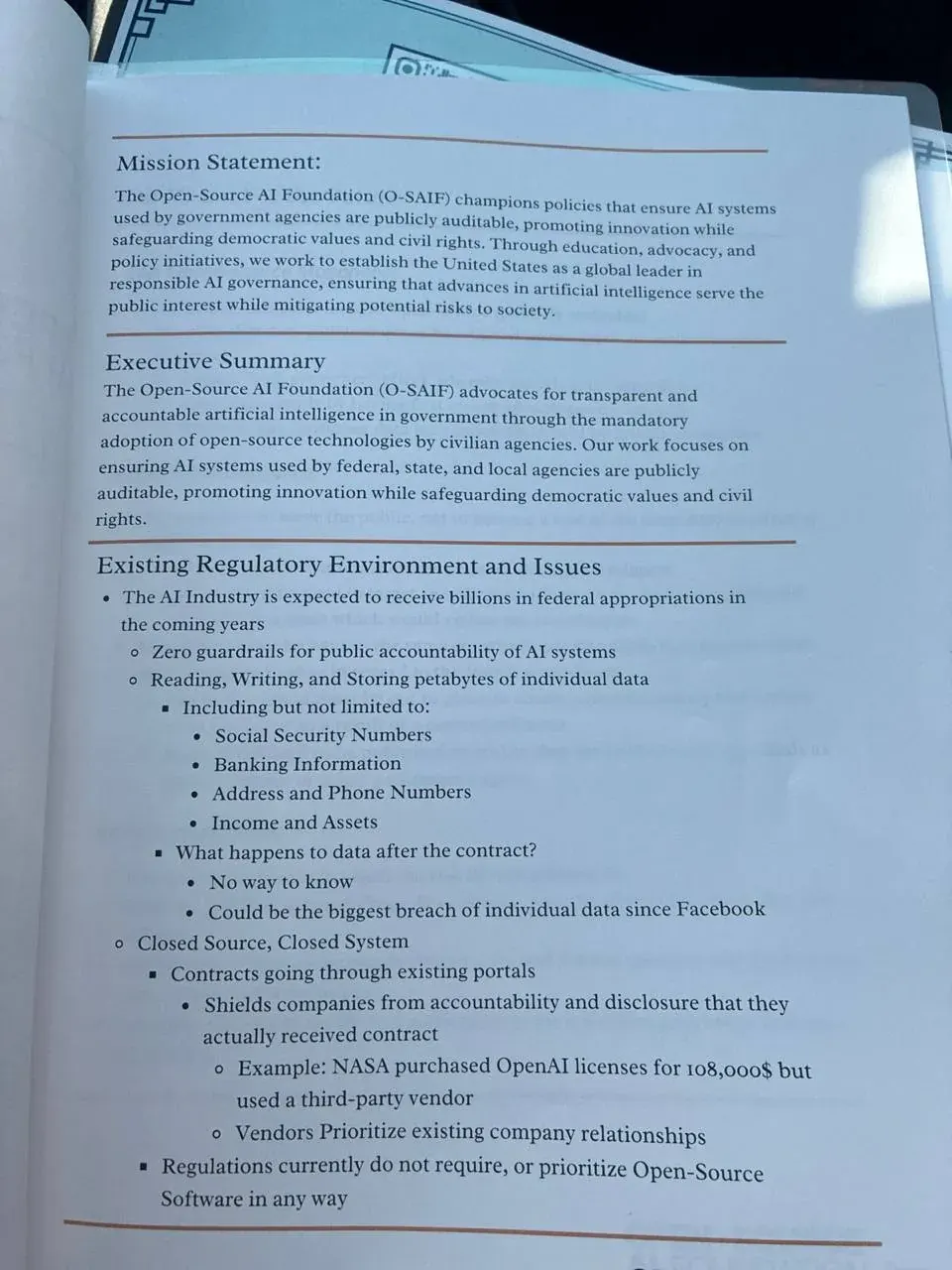
AI products can also raise added compliance questions. Available materials highlight accountable and transparent AI, the importance of auditable systems, and risks tied to storing large amounts of personal data. For an AI startup, these points may affect product review, customer commitments, and how contracts allocate risk.
What to keep in mind
This page is most relevant for founders building AI or data-driven products who need to connect startup legal fundamentals with product compliance questions. It may also help before customer, partner, or investor discussions where legal structure and product risk need to be explained clearly.
Brand issues may also require careful review. One startup example in the materials describes a trademark dispute involving rebranding, ongoing commercial use, and abandonment claims before the USPTO and TTAB. That does not predict any outcome for another company, but it shows how naming and trademark strategy can become important business issues.
The available materials do not support promises about outcomes, timing, or fixed legal packages. The right scope depends on the startup’s stage, business model, contracts, data practices, and commercial plans, so a direct conversation is the practical next step.